The Square That Taught Me to Go the Other Way. Yashica 635
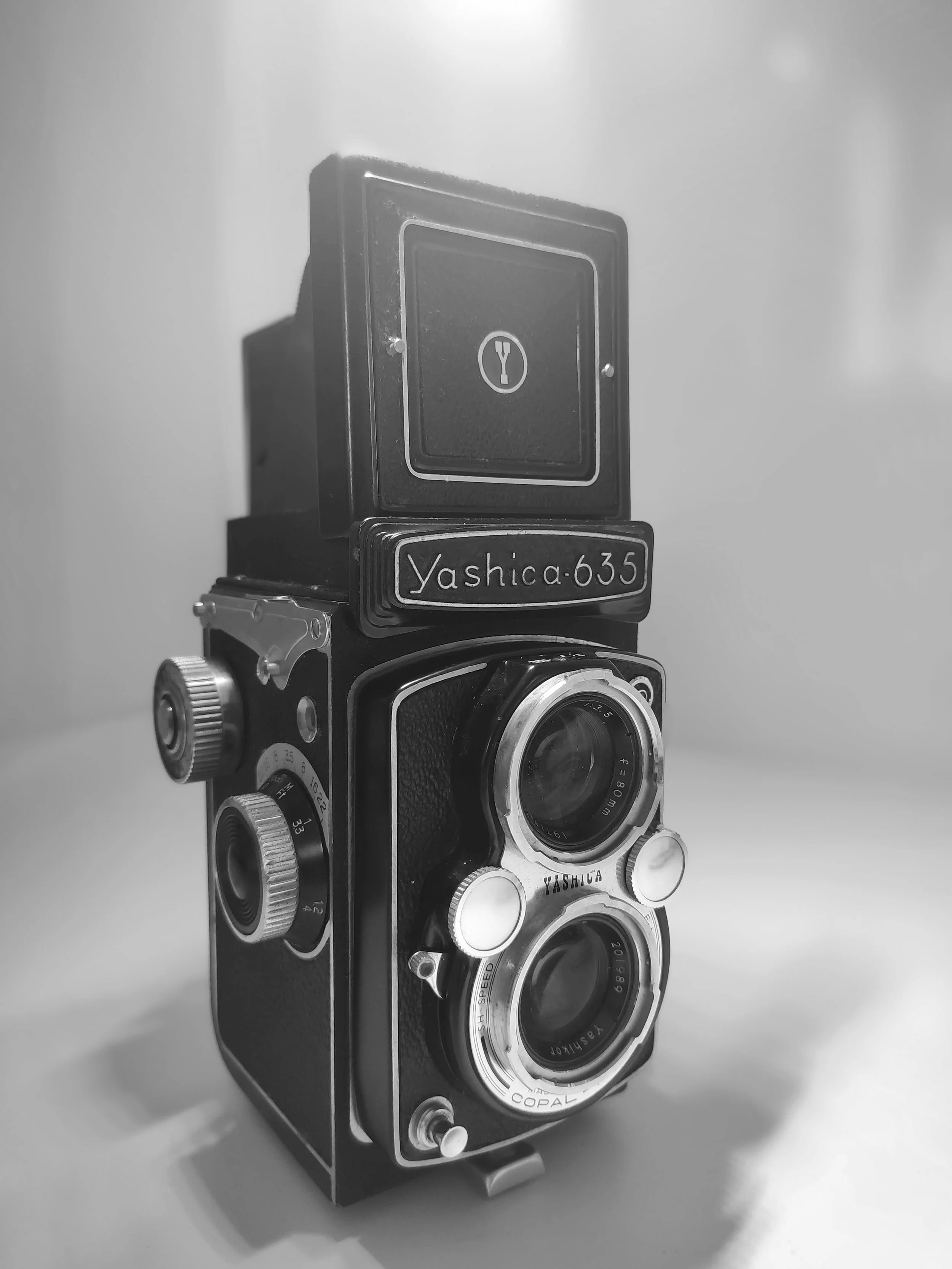
My Yashica 635
My Yashica 635 as soon as i cleaned the mirror and was ready to roll.
I used to see TLR cameras online all the time, but I never really bothered with them.
I guess I was more of an SLR type. I liked the control, the eye-level view, the feeling that you’re “inside” the frame.
Until I came across a good deal and went for it without overthinking.
For around 50 euros, I bought my first TLR.
A Yashica 635, sold as is.
Not to use. Just to have it in the collection.
Before I could even think of using it, I had to clean it.
The mirror was covered in what felt like half a century of dust.
Carefully, slowly, bringing it back just enough to see through it again.
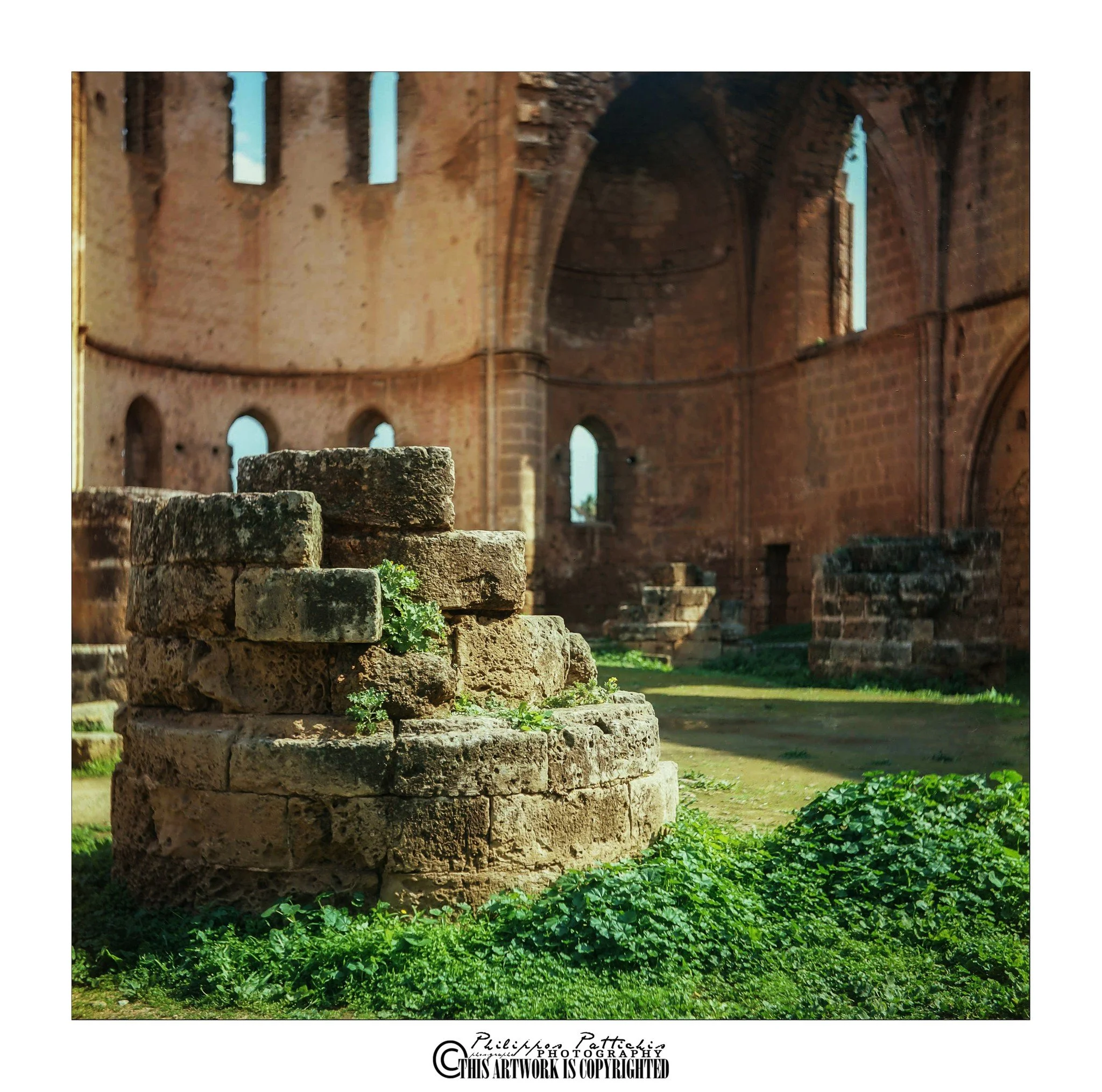
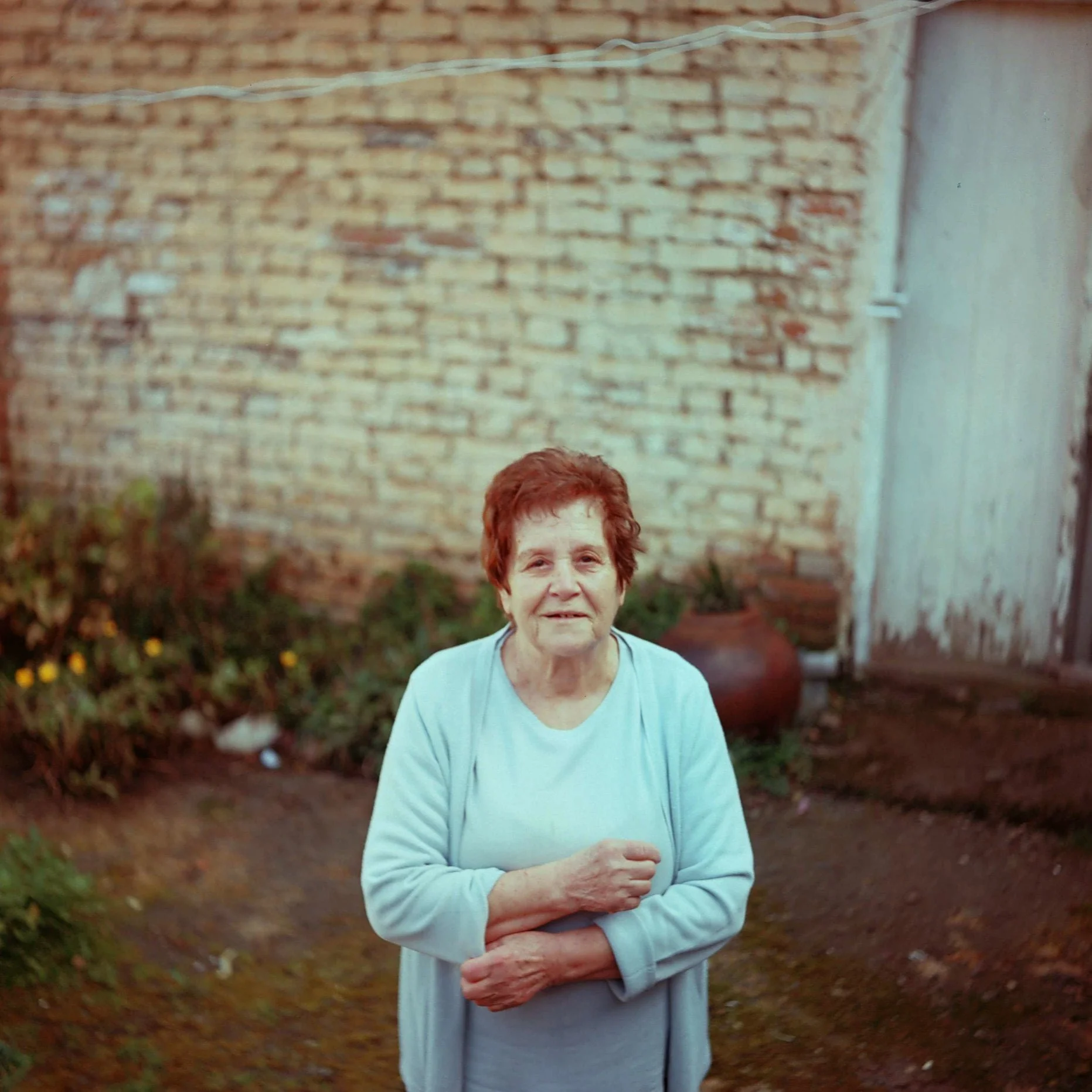
After that, and a test roll of 120 film expired for 12 years (freshly expired, of course), the “as is” camera turned out to be working just fine.
And just like that, it stopped being a collectible.
It became something else.
What caught me off guard wasn’t the square format.
It was the movement.
I’d see that I needed to move slightly to the right —
and I had to move left.
At first I thought something was wrong.
Then it clicked.
No correction. No mirror flipping things back.
Just a simple mechanism showing you the world… differently.
And if you want to make sense of it, you have to adapt.
The Yashica 635 doesn’t try to impress you.
It just slows you down.
It’s quiet. Almost too quiet.
It forces you to be involved — in composition, in metering, in every small decision.
And the lens… has a way of rendering the scene that feels softer, calmer. Less clinical.
It doesn’t feel like you’re chasing the shot.
It feels like you’re building it.
Of course, it has its flaws.
It’s not exactly light. You feel it.
The viewfinder can be dim, especially on older copies.
And the whole process can feel… unforgiving.
I lost count of how many times I cocked the shutter and forgot to advance the film.
Double exposures. Triple exposures. And more.
But strangely, none of that felt like failure.
Because this camera keeps you connected to what photography really is.
It doesn’t let you rush.
It asks you to slow down, to think, to be present.
Step by step.
Slowly — but properly.
And in the end, that’s what makes the result worth it.
Unfortunately, no technician in Cyprus — and we don’t really have many options either — seems willing to take on an old jewel like this.
It’s developed some shutter issues, and for now… I can’t use it anymore.
And maybe that’s the hardest part.
Not that it stopped working —
but that it still feels like it has more to give.
Specifications
Format: 120 film (6×6 cm) + optional 35mm conversion
Lens: Yashikor 80mm f/3.5
Shutter: Copal leaf shutter (up to 1/500s + Bulb)
Viewfinder: Waist-level (TLR)
Focusing: Manual
Minimum focus distance: approx. 1 meter
Film advance: Manual
Build: Metal body
Era: Late 1950s – early 1960s
Thank you for taking the time to see what I see.
Philippos Pattichis Photography
All rights reserved © 2026
Analog Corner